If you’ve never been on safari, then you understandably want to target the Big Five. But I urge you to look beyond the iconic safari species and spend some time with lesser known creatures. You will come away with much richer experience.
These are my favorite animals beyond the Big Five that have rewarded me with wonderful encounters that have stayed with me.
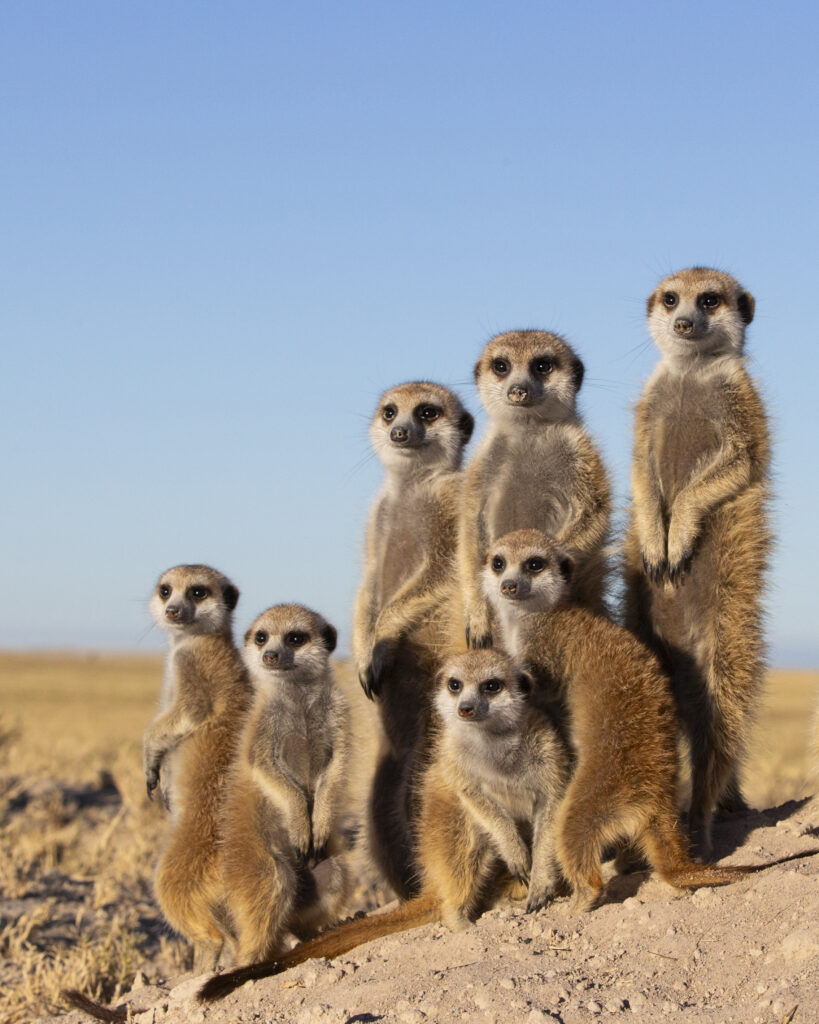
There are few animals that capture the heart quite like the meerkat. Endlessly entertaining, they live in large, tightly bonded family groups where everyone has a specific role: babysitter, guard, or forager. The sentry, who if you’re lucky enough, could be using you as a look-out post, will ring out a complex alarm call for different threats and suddenly they’ll all scatter. These hardy little creatures are immune to some venom, allowing them to survive stings from their favorite food, scorpions. Childcare is a serious business, with every member of the mob taking their turn in raising the young, carefully teaching the pups how to handle prey (even removing scorpion stingers before passing them over).
There is never a dull moment hanging out with meerkats, they are always busy. And despite their cute appearance, they’re brave and will band together to drive away predators much larger than themselves.
The best places to observe them are the open, sunbaked landscapes of Makgadikgadi Pans National Park, Central Kalahari Game Reserve, and Kgalagadi Transfrontier Park, where habituated groups allow for extraordinary, intimate encounters.
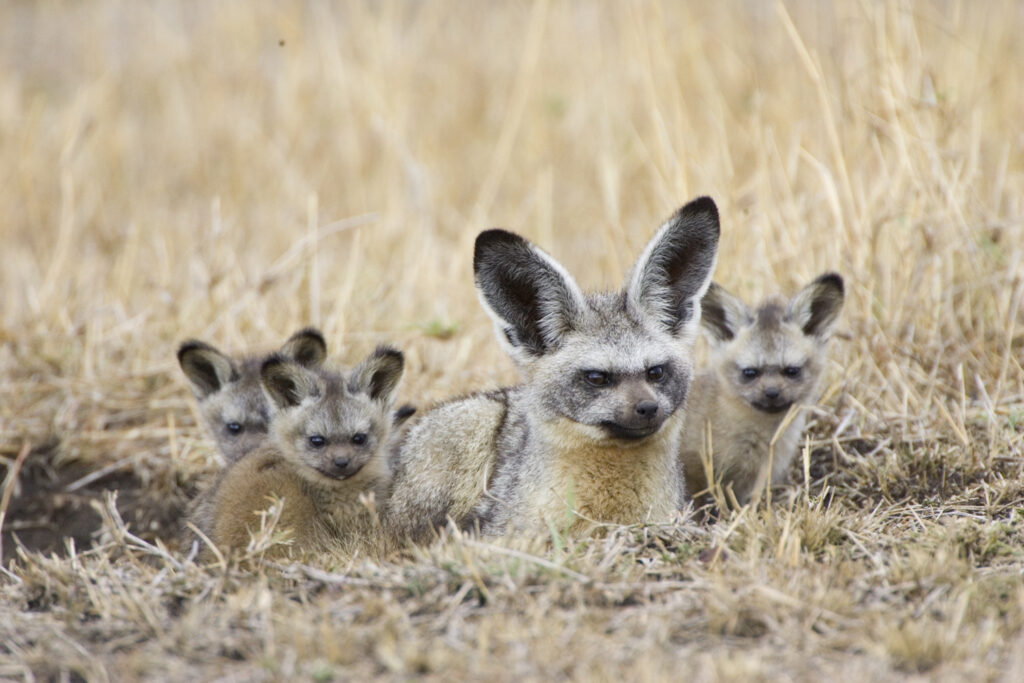
I adore bat-eared foxes, with their oversized ears they look like a made-up character from a children’s book. Their ears allow them to hear termites below the ground and they consume thousands in a single night. They live in small family groups with both parents looking after the young, and are active at dawn and dusk, the golden hours, making them ideal photography subjects.
Interesting fact: second to the giant armadillo they have more teeth than any other terrestrial placental mammal.
The best places to observe them are the open grasslands and savannas of the Masai Mara, Serengeti National Park, and Kgalagadi Transfrontier Park.
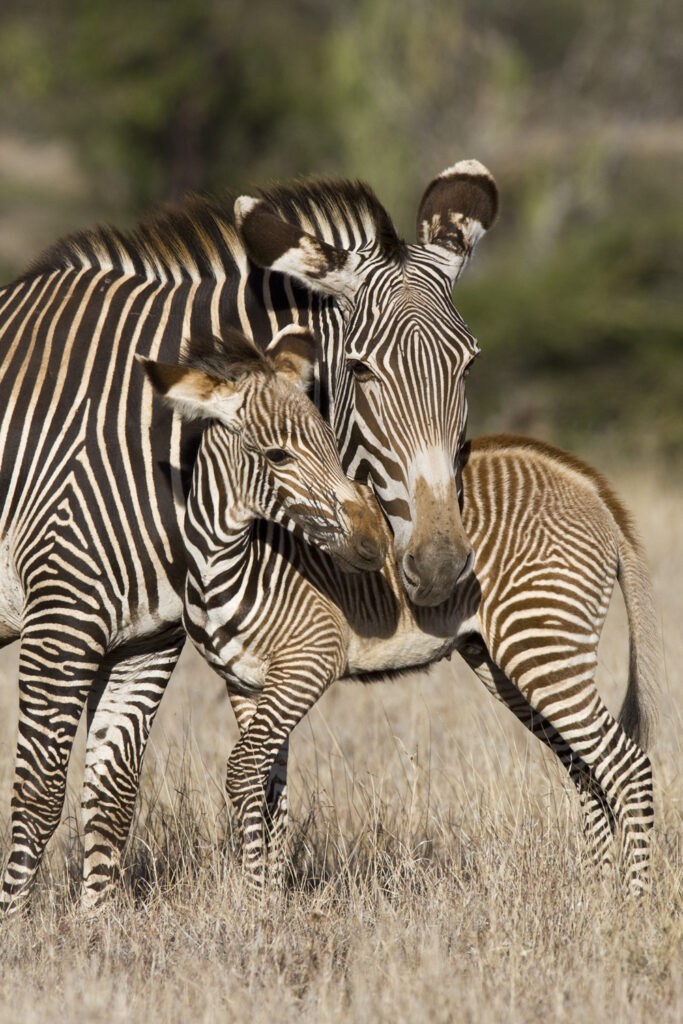
Zebras often get over looked because they’re numerous on the plains but the rarest zebra is worth making a special effort to see. They are the biggest of the zebra species with finer, closer together stripes and large round ears. But what makes an encounter with the Grevy’s zebras truly special is their rarity, with only 2,800-3,000 left in the wild. By going to see these beautiful, endangered creatures you are helping support their conservation.
I have had the privilege of photographing them for several magazine articles and for the Grevy’s Zebra Trust, an amazing community-led conservation initiative working to protect the endangered Grevy’s zebra across northern Kenya. By partnering closely with local communities, they combine grassroots monitoring, habitat protection, and education to ensure both people and wildlife can thrive together in these fragile landscapes.
The best places to observe them are Samburu National Reserve and Lewa Wildlife Conservancy.
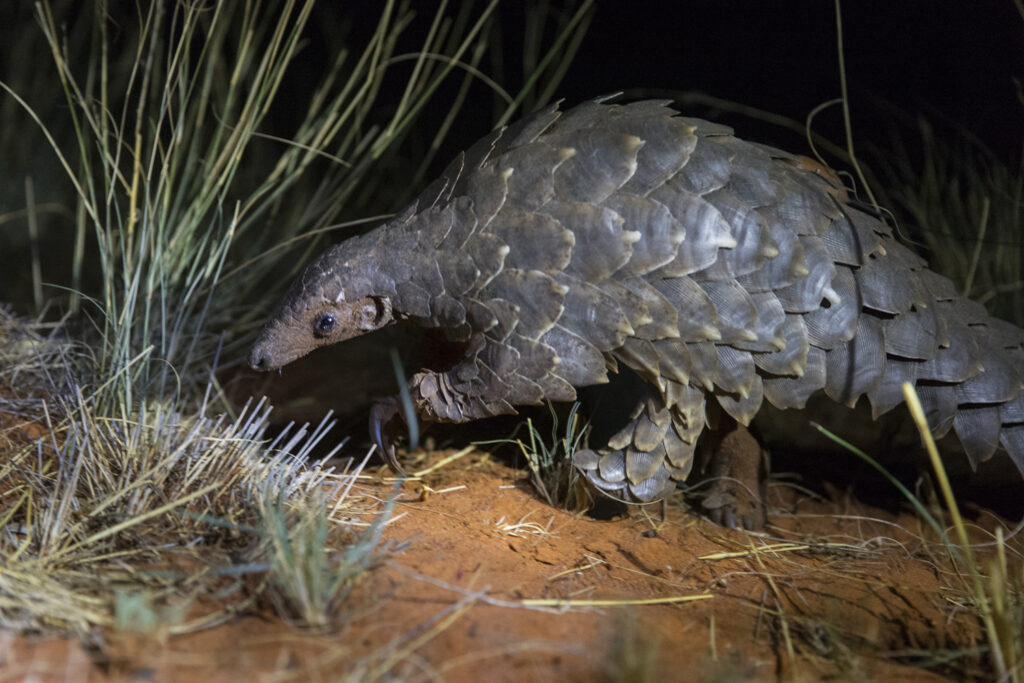
Pangolins are the only scaled mammals in the world, which has sadly made them a target for the illegal wildlife trade, as their scales are in high demand in traditional medicine, despite being made of keratin (the same as our nails and hair). Solitary and mostly nocturnal, pangolins are notoriously difficult to find, which makes any sighting rare and significant. Supporting their conservation by making them a target focus of part of your safari helps ensure their continued protection.
It was an honor to have my photos of these endangered, elusive creatures, the most trafficked mammal in the world, featured in 10 Years of Remembering Wildlife. Seeing them in the wild is a powerful reminder of what we need to protect.
The best places to observe them are Tswalu Kalahari Reserve, and Sangha Lodge in the Central African Republic.
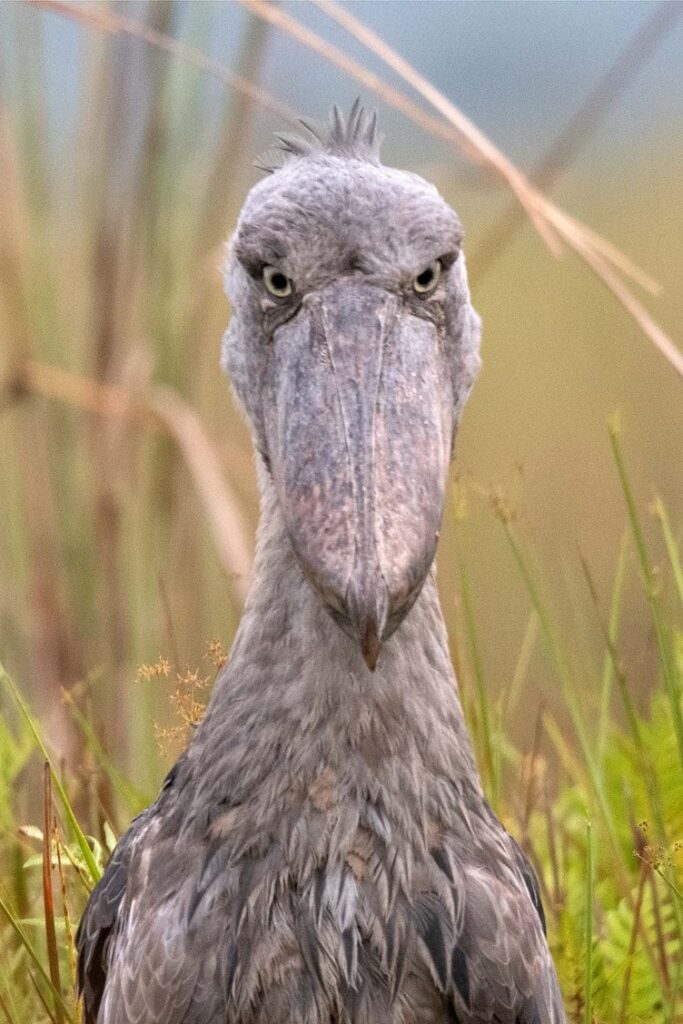
Few birds feel as ancient, or look as striking as the shoebill. Reaching up to 5 feet tall with an 8-foot wingspan, enormous clog-shaped bill and piercing, unblinking gaze, they appear prehistoric. Shoebills are masters of stillness, standing like statues for long stretches until they strike with startling speed, dramatically collapsing forward with wings outstretched, very different behavior from most wading birds. Their massive bill allows them to catch prey as big as young crocodiles.
The Shoebill stork is critically endangered, its population is less than 5,000 in the wild. Coming across one of these solitary, towering and statuesque birds moving quietly through the reeds is a surreal experience.
The best places to observe them are Mabamba Swamp, Bangweulu Wetlands, and Akagera National Park.
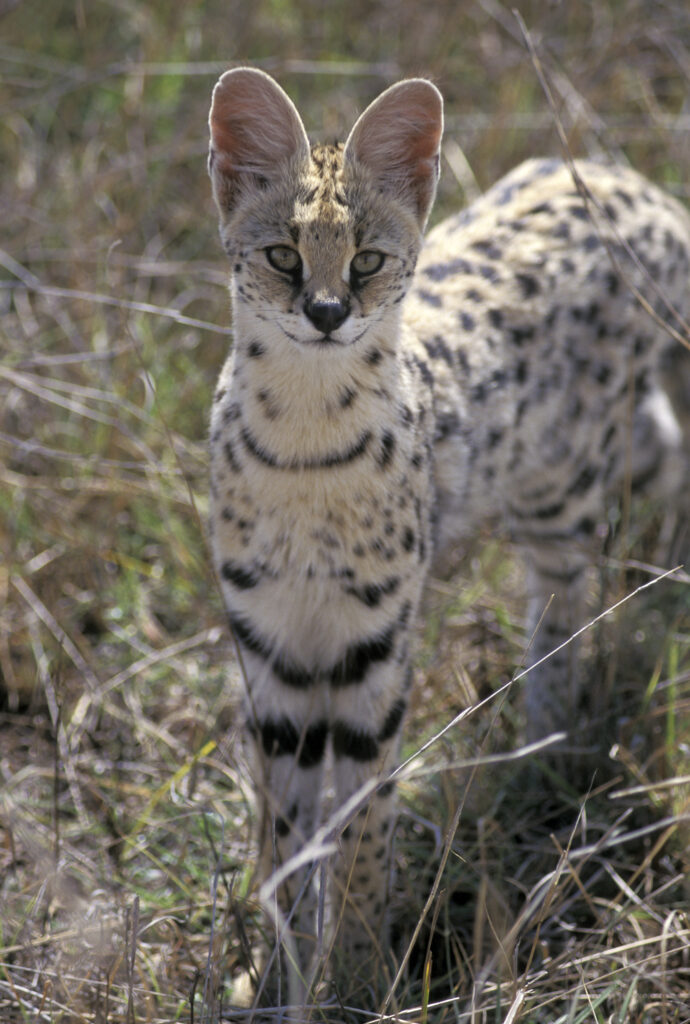
I have a special affinity for this small wild cat. When I was living on the Maasai Mara the local rangers turned up at my tent one day with a tiny orphaned serval kitten, and being the only woman in camp, I was tasked with raising him. My book Moto and Me documents this special time in my life, where I formed a deep bond with a wild creature, and the bittersweet reality of letting him go, to return to where he truly belonged. With the longest legs proportionally of any cat, oversized ears, and a golden black spotted coat, servals are perfectly adapted to hunting in the long grasses of the plains.
A hunting serval makes for a stunning photography subject. Their radar-like ears can detect the faintest rustle of rodents underground, and with a sudden leap, sometimes over two meters into the air, they can pinpoint their prey with incredible accuracy. They have a very high hunting success rate compared to other cats. Solitary and elusive, they are most active in the golden light of dawn and dusk.
Some of the best places to see them are Serengeti National Park, Ngorongoro Conservation Area, and Okavango Delta.
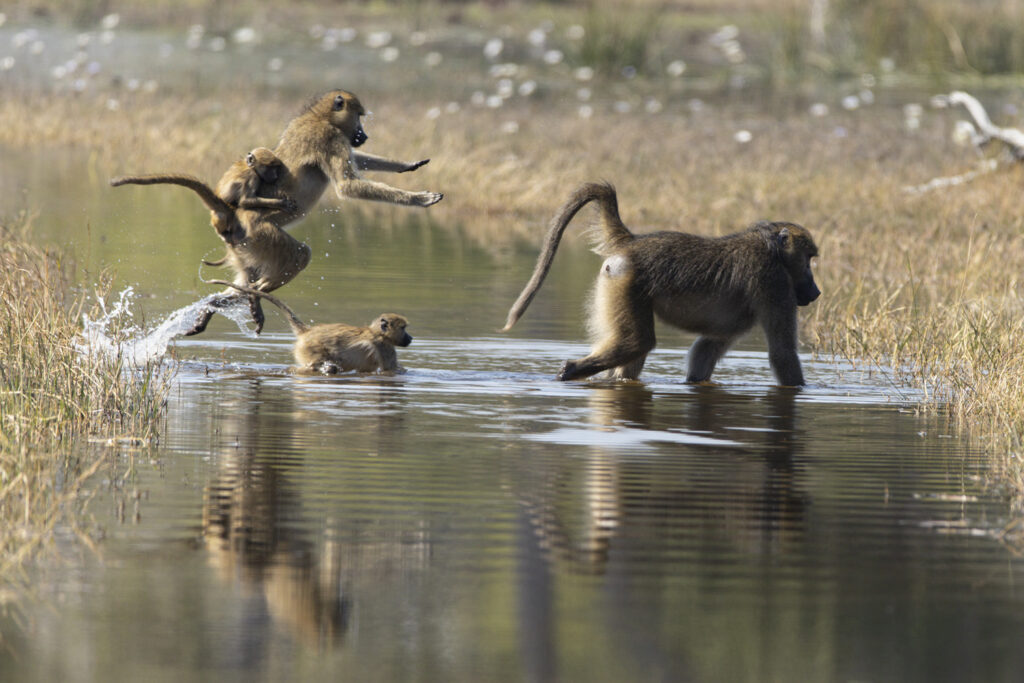
I love these cheeky primates. They are bold and full of personality, making for endlessly entertaining subjects. They live in large, structured troops and communicate with a remarkable range of expressions and vocalizations. They are highly intelligent problem-solvers and are very adaptable, able to thrive in a variety of environments, from savannas to mountains to forest edges, even cities.
You can’t take your eye off them for second, our Director of Wildlife Experiences had her camp ransacked by a naughty family of baboons in Kenya—pots, kettle and utensils were carried off, sending her sprinting across the savanna in a hilarious attempt to retrieve her kitchen from the thieves. They did eventually drop everything.
I highly recommend Robert Sapolsky’s A Primates Memoir, his entertaining story of slowly infiltrating and befriending a troop of baboons.
Some of the best places to see them are the Okavango Delta and Sabi Sands Game Reserve.
When we design a custom private wildlife safari for solo travelers, friends or families. We focus on creating a deeper experiences for our clients. We select places that allow for genuine, meaningful wildlife encounters and skip the rest that give you a boiler plate “one-size-fits-all” itinerary, that always follow the same path and stop in the same places.
By limiting group sizes and choosing ethical, conservation-led operators, we avoid crowding, unethical practices, and provide you with more opportunity to see and experience intimate wildlife encounters.
More connection, more authenticity, and moments that stay with you forever!
African family safari, beyond the big five safari, custom safari